Honeylove Font: A Designer’s Guide to Elegant Script Typography
The brief landed on my desk with a familiar mix of excitement and anxiety. The client wanted a visual identity for a small, artisanal skincare line that felt intimate, organic, and undeniably feminine. They didn’t just want a logo; they wanted a feeling. As I stared at the blank canvas in my design software, I knew that standard geometric sans serifs wouldn’t cut it. I needed something with soul, something that mimicked the human touch. That is when I pulled up Honeylove.
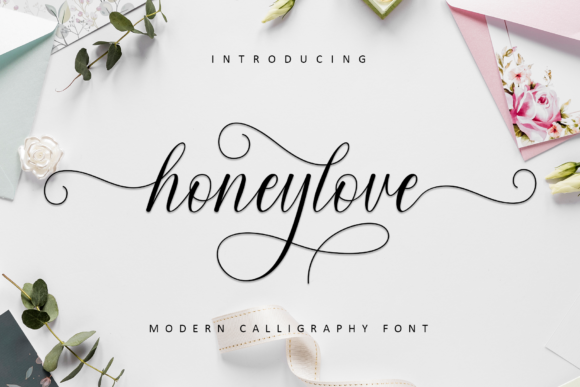
Testing a new typeface is always a ritual. I don’t just drop it into a textbox and hope for the best. I start by typing out the brand name, looking for balance. Honeylove is a delicate and stylish handwritten font, and from the first keystroke, it delivered exactly what the project required. The strokes are fluid but controlled, avoiding the messy illegibility that plagues so many script fonts in the Script Amp category. It felt less like selecting a digital asset and more like watching ink flow across premium paper.
Why Honeylove Works for Modern Brand Identity
In the world of branding, perception is everything. A font does not just communicate words; it communicates values. When I placed Honeylove on the initial mood board, it immediately softened the entire aesthetic. This gentle font will look gorgeous on a variety of design ideas, but it shines brightest when the goal is to evoke warmth and approachability. For this skincare brand, the font suggested natural ingredients, careful craftsmanship, and a personal touch.
One of the most critical aspects of using a script font for a logo or primary headline is readability. Many designers shy away from handwritten styles because they fear the text will become indecipherable at smaller sizes. However, Honeylove maintains excellent character distinction. The loops are open, and the spacing is generous enough to prevent visual clutter. This makes it a viable option not just for large posters, but also for business cards and product labels where space is limited.
Unlocking Creativity with PUA Encoding
What truly sets a premium font apart from a free download is often found in the technical details. Honeylove is PUA encoded, which means you can access all of the glyphs and swashes with ease. For a designer, this is a game-changer. In previous projects, I have spent hours manually adjusting vector points to create custom ligatures or adding decorative flourishes. With PUA encoding, these alternate characters are just a keystroke away.
During the logo refinement phase, I experimented with different swashes to frame the brand name. By accessing these hidden glyphs, I was able to create a unique monogram that felt bespoke rather than templated. This level of customization is essential for creating a distinct brand identity. It allows the typography to act as a graphic element, not just text. Whether you are designing a wedding invitation, a boutique label, or a creative studio header, these extra touches add a layer of professionalism and uniqueness that clients love.
Practical Applications in Packaging and Digital Design
Once the logo direction was approved, I moved on to the packaging design. This is where Honeylove proved its versatility. On a matte-finish jar label, the font looked elegant and high-end. The delicate strokes contrasted beautifully with the minimal sans serif font I chose for the ingredient list. This pairing created a clear visual hierarchy: the script drew the eye first, establishing the brand personality, while the clean sans serif provided the necessary information without competing for attention.
Beyond physical products, I tested the font in digital environments. For social media graphics, Honeylove added a cohesive thread across Instagram posts and stories. It worked wonderfully for quote overlays and promotional announcements. However, I would advise against using it for long-form body text. Like most display fonts, it is best suited for headlines, short captions, and accent elements. Using it for paragraphs would strain the reader’s eyes and diminish its impact.
For web design, I used Honeylove in the hero section of the homepage. It paired perfectly with a modern, lightweight serif font for the subheadings. This combination of script and serif is a classic choice for lifestyle brands because it balances tradition with contemporary elegance. The result was a website header that felt inviting and sophisticated, encouraging users to scroll further into the content.
Pairing Advice for Designers
If you are considering adding Honeylove to your toolkit, thinking about font pairing early on is crucial. Because it is a handwritten font with significant personality, it needs a supportive partner. I recommend pairing it with a neutral sans serif font for a clean, modern look. This works well for tech-forward boutiques or minimalist skincare brands. Alternatively, pairing it with a traditional serif font can enhance its romantic and vintage appeal, making it ideal for bakeries, florists, or bridal services.
Avoid pairing it with another script font. Two competing handwritten styles usually result in visual chaos. Let Honeylove be the star. Use simple, unobtrusive typefaces for supporting text to ensure the overall design remains balanced and professional. This principle applies to editorial design as well. If you are laying out a magazine spread or a brochure, use Honeylove for pull quotes or chapter titles, but stick to highly readable fonts for the main article text.
Final Recommendations for Your Next Project
Before committing to any typeface for a client project, always test it in various contexts. Print it out at different sizes. View it on mobile screens. Check how the ligatures connect in your specific design software. Honeylove performs consistently across these tests, thanks to its robust construction and thoughtful glyph set. It is a reliable choice for freelancers and creative studios who need a font that delivers both style and functionality.
Whether you are creating a visual identity for a local restaurant, designing merchandise for a craft shop, or building a personal brand, Honeylove offers the flexibility and charm needed to stand out. It bridges the gap between casual handwriting and professional typography, making it a versatile asset in any designer’s library. By understanding its strengths and limitations, you can use this font to create memorable, engaging, and beautiful design work that resonates with your audience.